

Air & Duct Sealing
Air & Duct Sealing
Stop leaks. Improve comfort. Control humidity.
Air and duct sealing address two of the biggest hidden causes of discomfort and energy loss in Florida homes. Small gaps in the building envelope and leaks in ductwork allow hot, humid attic air to enter your home while conditioned air escapes, forcing your HVAC system to work harder than it should.
Proper sealing reduces unwanted air movement, stabilizes indoor conditions, and helps insulation perform at its best — creating a home that feels cleaner, quieter, and more comfortable year-round.
WHY AIR SEALING MATTERS
Controlling Air Where It Enters the Home
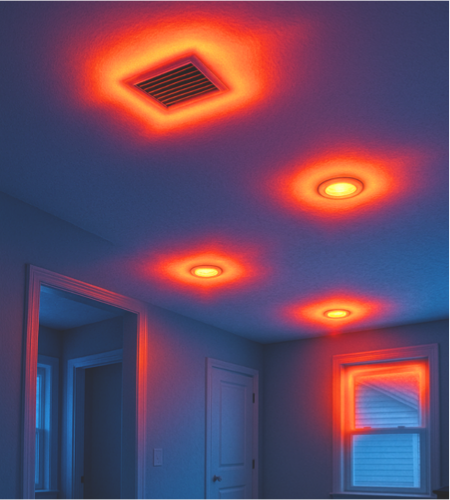
Air sealing focuses on closing the small gaps, cracks, and penetrations that allow attic and outdoor air to move into your living space. These leaks are often found around ceiling penetrations, attic hatches, top plates, wiring, plumbing, and recessed lighting.
When these pathways are left open, hot and humid air is pulled into the home while conditioned air escapes. Sealing them reduces drafts, limits humidity intrusion, and helps maintain consistent indoor temperatures throughout the house.
AIR SEALING WITH INTENT
A Critical Step
Before Insulation
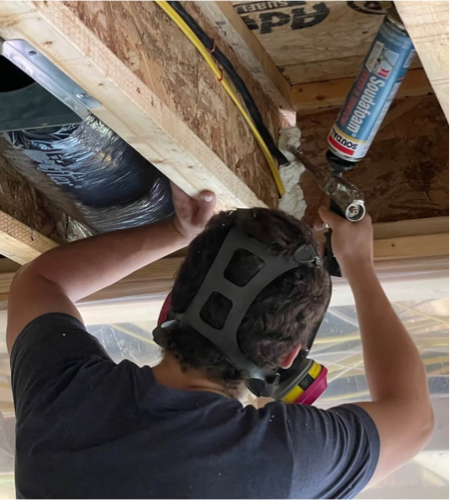
Air sealing is most effective when it’s done deliberately and in the right locations. Simply adding insulation without sealing air leaks allows problems to continue beneath the surface, limiting long-term performance.
At Heat Hunters, air sealing is guided by attic evaluation and home performance testing. We identify where air movement is actually occurring and seal those areas first, creating a stable foundation for insulation and overall comfort improvements.
THE ROLE OF DUCTWORK
Where Conditioned Air Is Often Lost
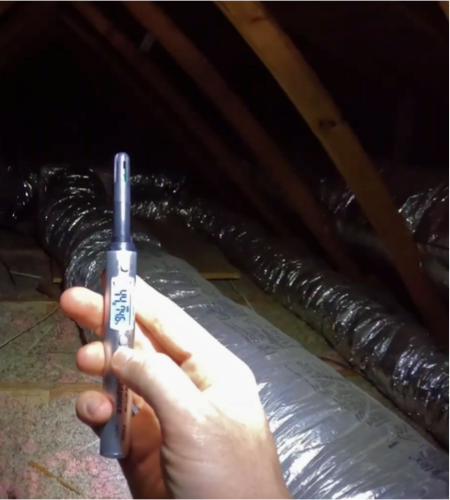
Your duct system is responsible for delivering conditioned air throughout your home, but leaks in ducts — especially in attics — are extremely common. These leaks allow cooled air to escape into unconditioned spaces and can draw hot, dusty attic air into the system.
As a result, rooms may feel uneven, cooling cycles run longer, and indoor air quality suffers. Sealing ductwork helps ensure the air you pay to condition actually reaches the rooms it’s intended to serve.
SEALED FOR PERFORMANCE
Improving Efficiency and
Air Quality
Proper duct sealing reduces energy loss, improves airflow balance, and helps maintain consistent temperatures from room to room. It also limits the amount of dust, insulation fibers, and attic contaminants that can be pulled into the system and circulated through the home.
Our duct sealing process focuses on critical joints, connections, and transitions to improve system performance without restricting airflow. The result is a quieter, more efficient HVAC system and a home that feels more comfortable and controlled every day

GET STARTED NOW!
Our free test shows GIVES YOU THE FACTS FIRST

Building healthier, more efficient homes through science-based comfort solutions.


Company Info
(727) 273-7826
7610 Industrial Lane #9
Mon–Fri: 8am–6pm
Fully Licensed & Insured
Serving Tampa Bay
Stop leaks. Improve comfort. Control humidity.
Air and duct sealing address two of the biggest hidden causes of discomfort and energy loss in Florida homes. Small gaps in the building envelope and leaks in ductwork allow hot, humid attic air to enter your home while conditioned air escapes, forcing your HVAC system to work harder than it should.
WHY AIR SEALING MATTERS
Controlling Air Where It Enters the Home
Air sealing focuses on closing the small gaps, cracks, and penetrations that allow attic and outdoor air to move into your living space. These leaks are often found around ceiling penetrations, attic hatches, top plates, wiring, plumbing, and recessed lighting.
When these pathways are left open, hot and humid air is pulled into the home while conditioned air escapes. Sealing them reduces drafts, limits humidity intrusion, and helps maintain consistent indoor temperatures throughout the house.
AIR SEALING WITH INTENT
A Critical Step
Before Insulation
Air sealing is most effective when it’s done deliberately and in the right locations. Simply adding insulation without sealing air leaks allows problems to continue beneath the surface, limiting long-term performance.
At Heat Hunters, air sealing is guided by attic evaluation and home performance testing. We identify where air movement is actually occurring and seal those areas first, creating a stable foundation for insulation and overall comfort improvements.
THE ROLE OF DUCTWORK
Where Conditioned Air Is Often Lost
Your duct system is responsible for delivering conditioned air throughout your home, but leaks in ducts — especially in attics — are extremely common. These leaks allow cooled air to escape into unconditioned spaces and can draw hot, dusty attic air into the system.
As a result, rooms may feel uneven, cooling cycles run longer, and indoor air quality suffers. Sealing ductwork helps ensure the air you pay to condition actually reaches the rooms it’s intended to serve.
SEALED FOR PERFORMANCE
Improving Efficiency and
Air Quality
Proper duct sealing reduces energy loss, improves airflow balance, and helps maintain consistent temperatures from room to room. It also limits the amount of dust, insulation fibers, and attic contaminants that can be pulled into the system and circulated through the home.
Our duct sealing process focuses on critical joints, connections, and transitions to improve system performance without restricting airflow. The result is a quieter, more efficient HVAC system and a home that feels more comfortable and controlled every day
GET STARTED NOW!
Our free test shows GIVES YOU THE FACTS FIRST
Building healthier, more efficient homes through science-based comfort solutions.