Where the horror stories come from
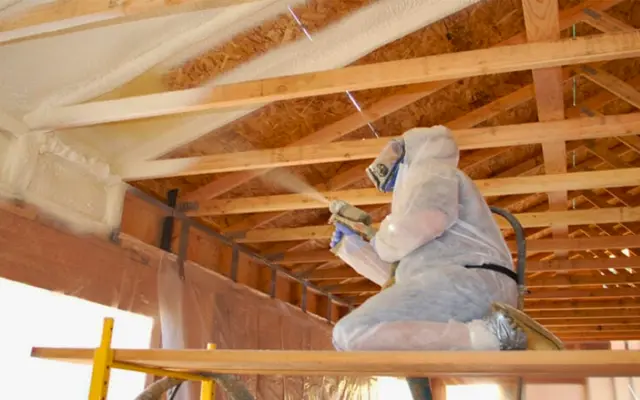
Spray foam has a reputation problem, and some of it is earned. But when you dig into the bad outcomes, the product is rarely the root cause. It's how and where it was installed.
Lingering odors
A properly mixed, properly cured foam shouldn't leave a lasting smell. Persistent odors usually point to off-ratio material (the two components weren't mixed in the right proportions), foam sprayed in passes that were too thick, or poor ventilation during and after the job. Occupants should stay out for the period the manufacturer specifies.
Trapped moisture
Foam changes how a building handles moisture. Applied in the wrong place, or as part of a half-finished sealed attic, it can trap humid air where it can't dry out. In Florida, that's the fastest way to turn an upgrade into a problem.
Roof and resale headaches
Foam on the underside of a roof deck makes the deck harder to inspect, and some roofers, insurers and buyers ask questions about it. That doesn't make it wrong, but you should know before it goes in, not after.
How to avoid becoming a story
- Use foam where it's the right tool: commercial and metal buildings, mobile home underbellies, and homes where the whole attic is designed as a sealed system.
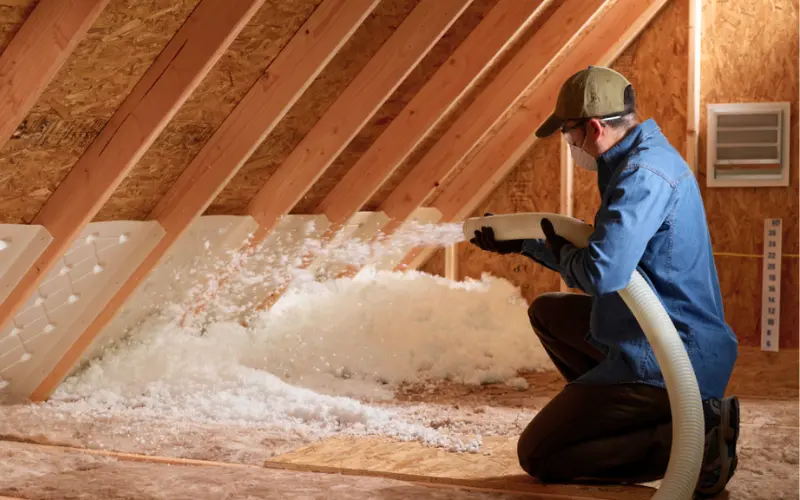
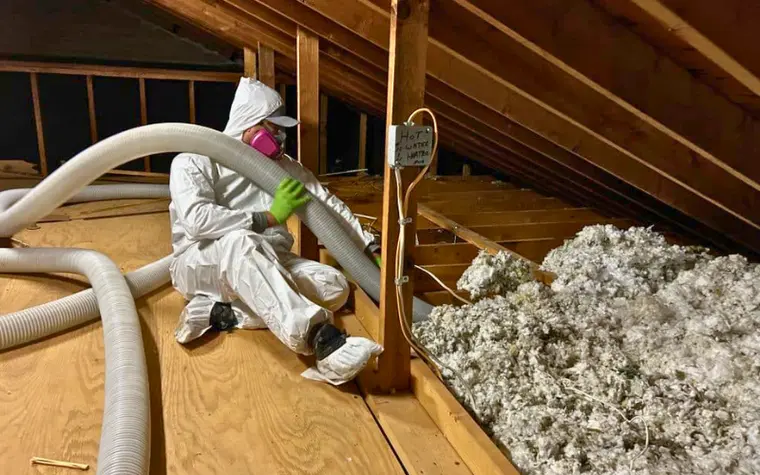
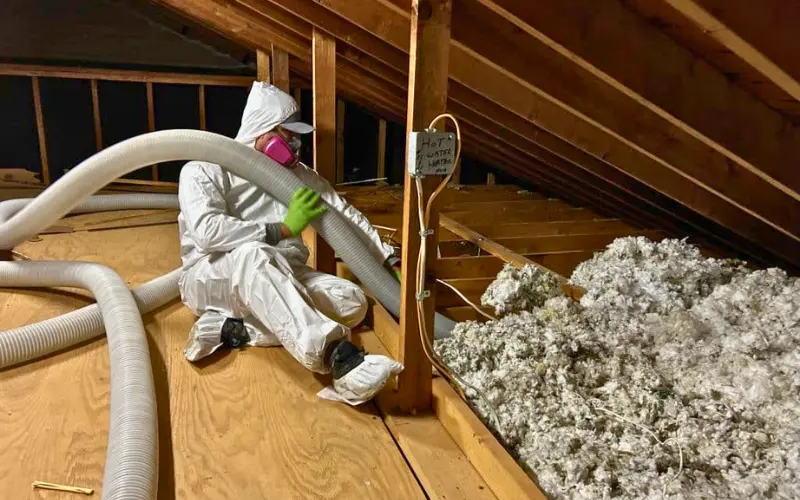
- For most vented-attic homes, consider removal, air sealing and blown-in insulation first.
- Choose an installer with properly trained crews and well-maintained equipment.
- Get thickness, product and areas in writing, with photos after.
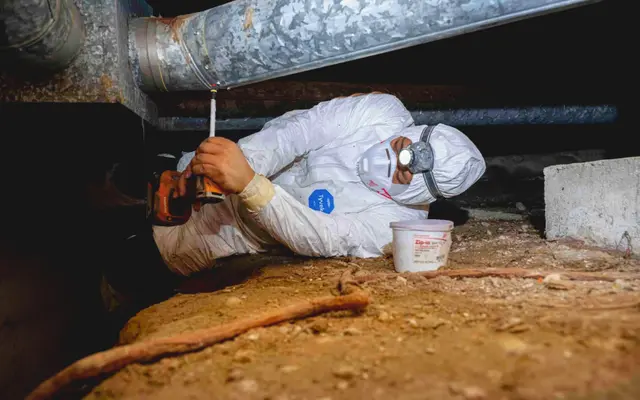
Already have foam and something doesn't feel right? Book a free inspection and we'll tell you what we find, with photos.
Not sure what your attic needs?
Our free attic inspection includes photos of what we find and a clear, same-day price. No pressure, and you'll learn something either way.
Book a free attic inspection or call (727) 273-7826.