The quick job most homeowners get
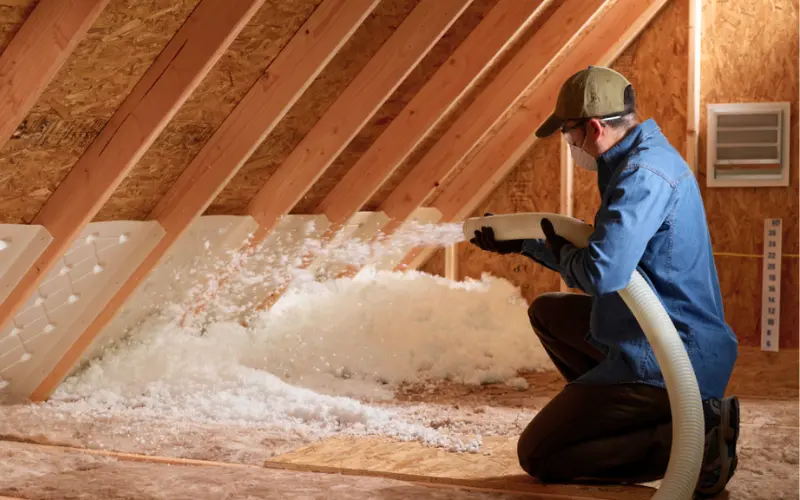
Ask three insulation companies to quote your attic and at least one will offer the same thing: blow more insulation on top of what's already there. It's fast, it needs one truck and a hose, and a two-person crew can be finished before lunch.
That speed is exactly why it gets sold so often. It isn't always the wrong answer, but on its own it's often an incomplete one, and in a Florida attic the missing piece is usually the one that matters most.
What blown-in insulation does well
Loose-fill cellulose and fiberglass are good at one job: slowing conductive heat moving down from a hot attic into your ceilings. Installed evenly and to the right depth, it's one of the most cost-effective upgrades a home can get. The U.S. Department of Energy recommends roughly R-30 to R-60 in attics for most of Florida, and many older Tampa Bay homes sit well below that.
We install a lot of blown-in insulation. It's part of almost every attic reset we do.
What it doesn't do: stop moving air
Fluffy insulation is mostly air. Air can move straight through it. If there are open gaps in the ceiling below (around recessed lights, bathroom fans, attic hatches, plumbing stacks, wire holes and the top plates of interior walls), your air conditioner is constantly pushing cooled air up into the attic and pulling hot, humid air back into the house.
Burying those gaps under another foot of insulation doesn't seal them. It just hides them, and makes them harder for anyone to reach later.
Old insulation is part of the problem
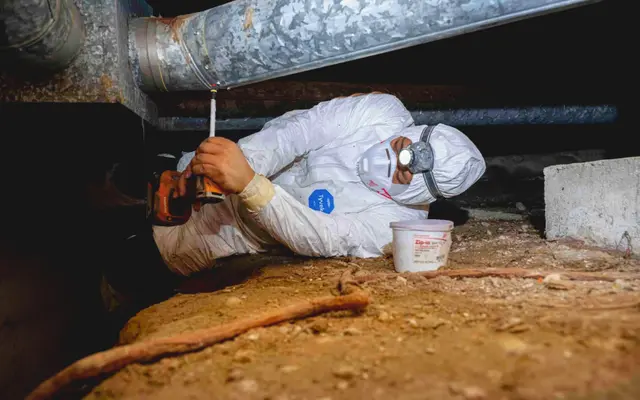
Topping up also assumes what's already up there is worth keeping. In many homes it isn't. After 15 or 20 Florida summers, insulation is often flattened, patchy, stained by old roof leaks or full of rodent droppings. Adding fresh material on top keeps all of that in the attic, directly above your living space and your air handler.
The right order of operations
When we reset an attic, the order matters:
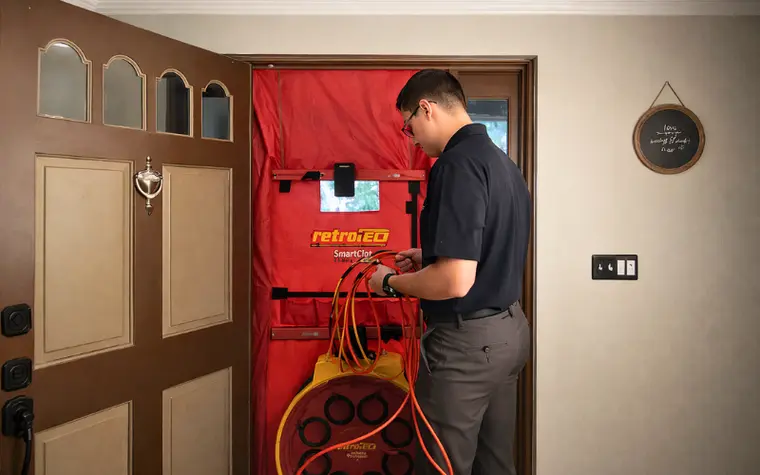
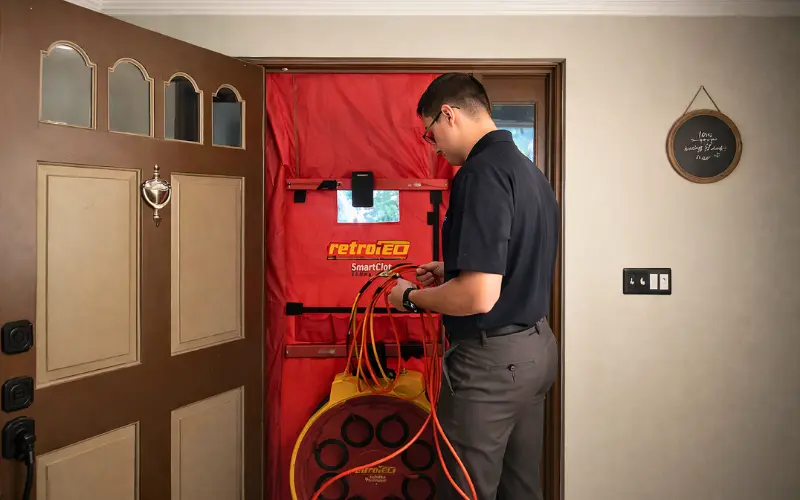
- Inspect and measure. Photos of the attic and a blower door reading so we know how leaky the house actually is.
- Remove old, contaminated or flattened insulation when it's past saving.
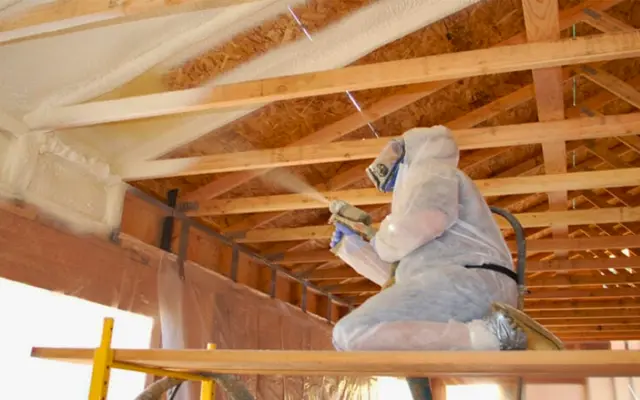
- Air seal the ceiling plane with the blower door running, so we can see leaks close up.
- Re-insulate with blown-in to the right depth, with baffles at the eaves to keep soffit vents clear.
Done in that order, the new insulation finally performs the way the label says it should.
Questions to ask any insulation contractor
- Will you seal air leaks before adding insulation, and how will you find them?
- Do you use a blower door, before and after?
- Is my existing insulation worth keeping? Can I see photos?
- What R-value and depth will I end up with, and will you mark it with attic rulers?
- Who will actually be doing the work, and how are they trained?
If the answers are vague, the quote is probably for depth, not results.
Not sure what your attic needs?
Our free attic inspection includes photos of what we find and a clear, same-day price. No pressure, and you'll learn something either way.
Book a free attic inspection or call (727) 273-7826.